This is a bit of a side story. It doesn’t contain much technical or professional knowledge — just a glimpse into my vacation life and a single experience. How, as a developer, you can mentally recharge in a relatively simple way. Maybe it can inspire others to do the same.
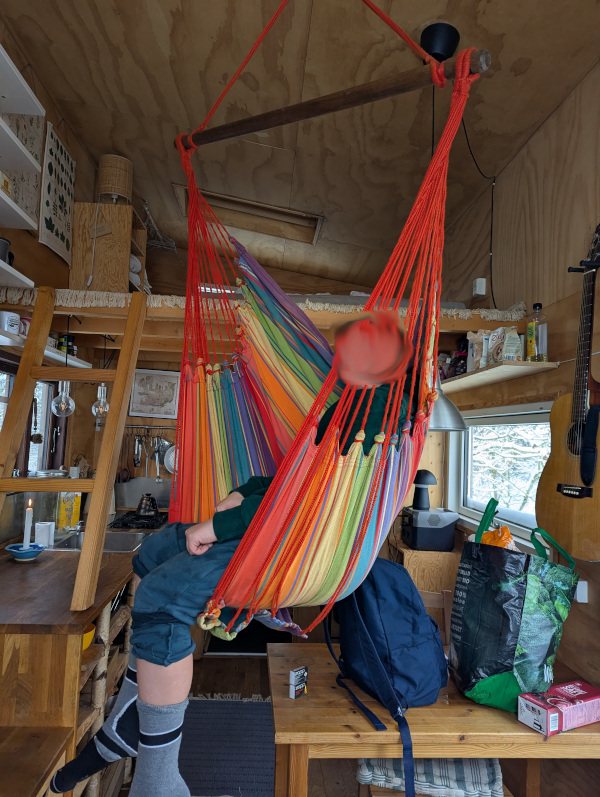
About three years ago, my son and I had a very different kind of experience — a big contrast to our normal life here in Denmark. The fast-paced, modern lifestyle focused on perfection, a demanding work life, and constant notifications. We decided to try something completely different — something that would slow life down. Something primitive, where everything had to be done by hand, and where we could “survive” in a good way. The most important thing was to be screen-free, to stay present, and to create genuine connection.
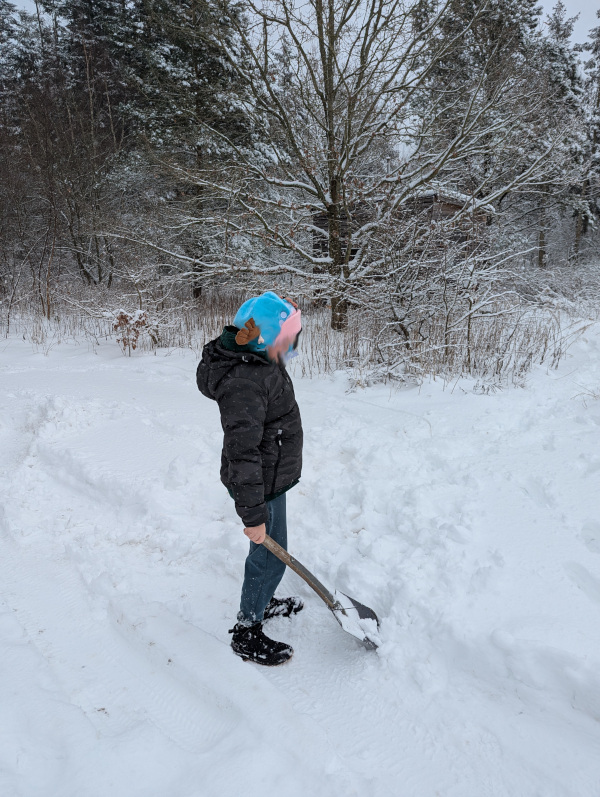
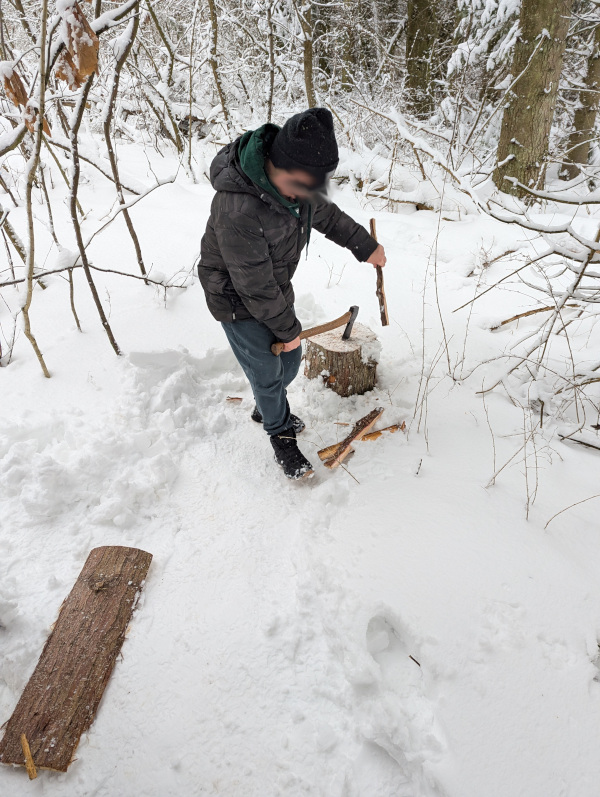
Back then, the experience was a success. In just two days, we felt mentally restored, and our batteries were fully recharged. We both quickly grew fond of it. At the same time, my son learned how things work at a very basic level. He loved having responsibilities such as fetching water, cleaning up, shoveling snow, lighting the fire, and so on. It really lifted him, and he felt proud and happy. At the same time, I grew closer to him. We learned to cooperate, and it became one of our best father-son experiences.
Time passed quickly, and as a family we prioritized other things, so we never went again. But every year, when winter approached, my son would ask: “When are we going back to the cabin?” Unfortunately, the cabin we rented the first time had been sold and was no longer available. I couldn’t find another cabin that felt just as good and authentic — a true off-grid place.
One day, I happened to browse Airbnb and actually found plenty of cabins for rent, and the prices were reasonable. I still think they’re a bit high for what you get, but when the market is like that, you simply have to accept the conditions.
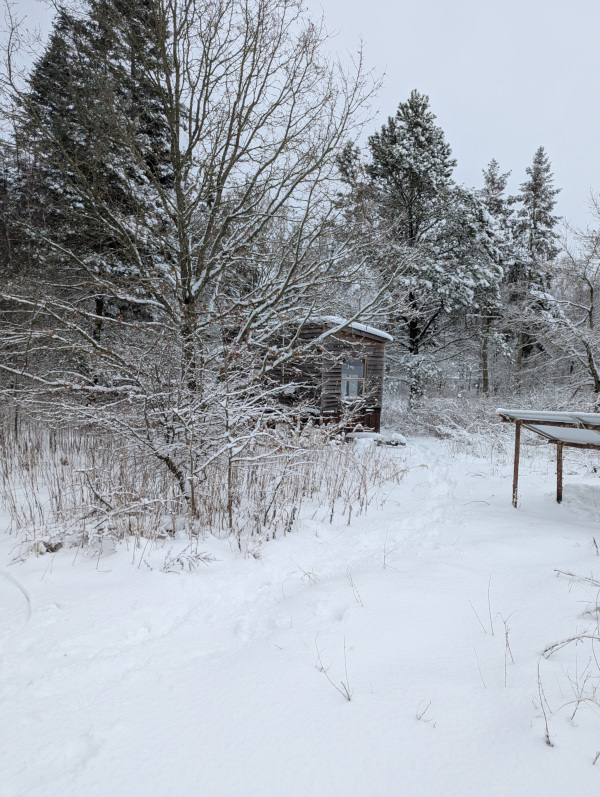
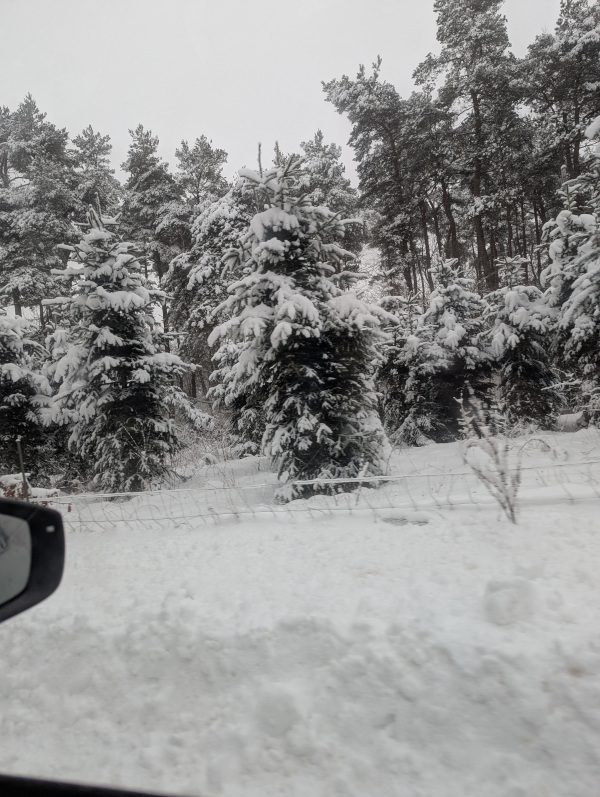
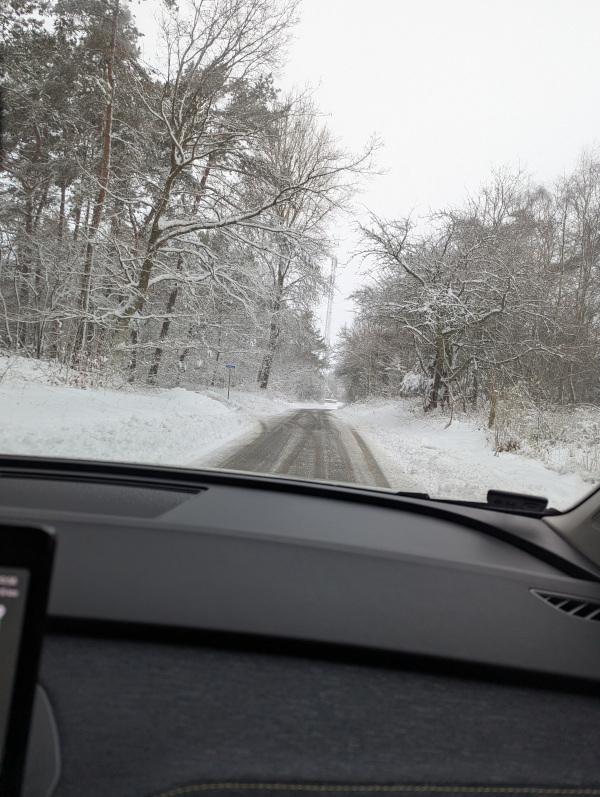
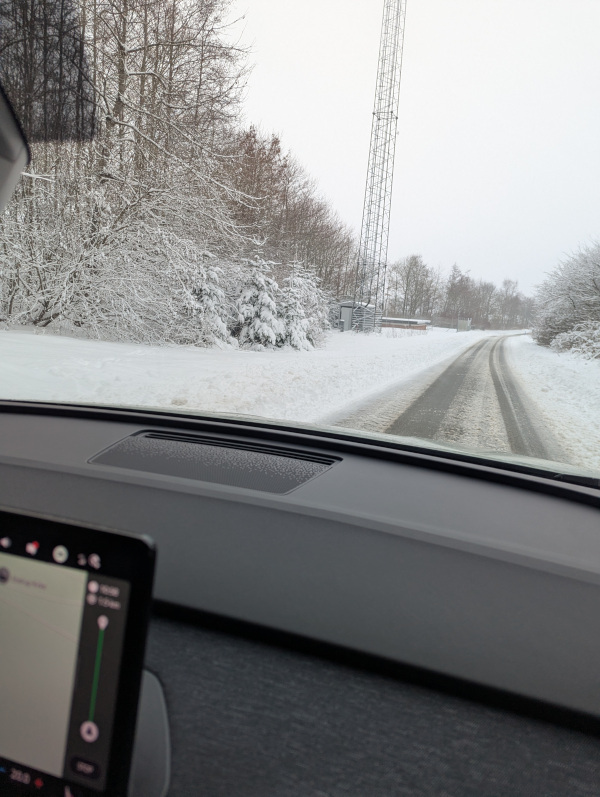
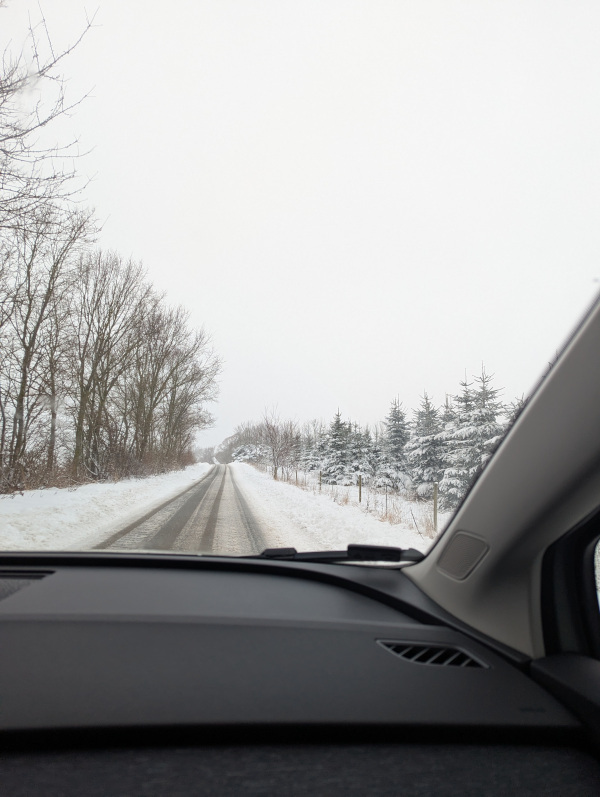
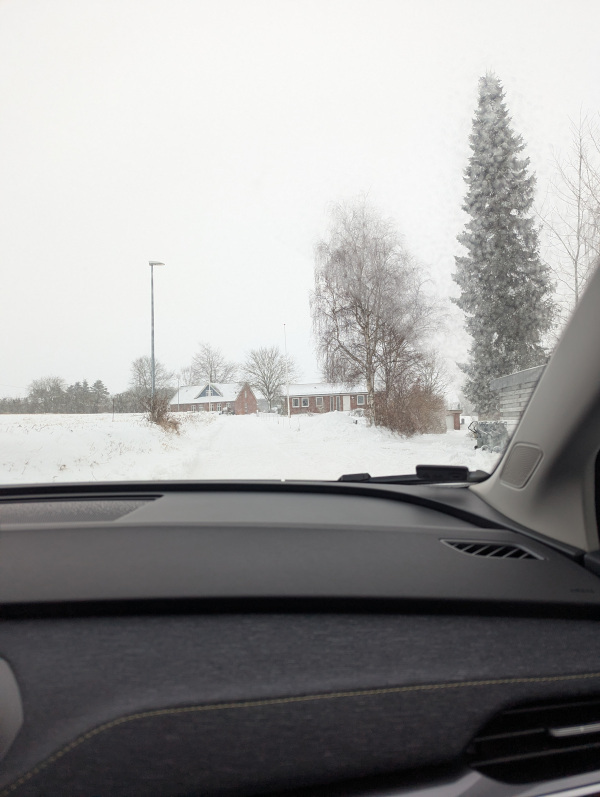
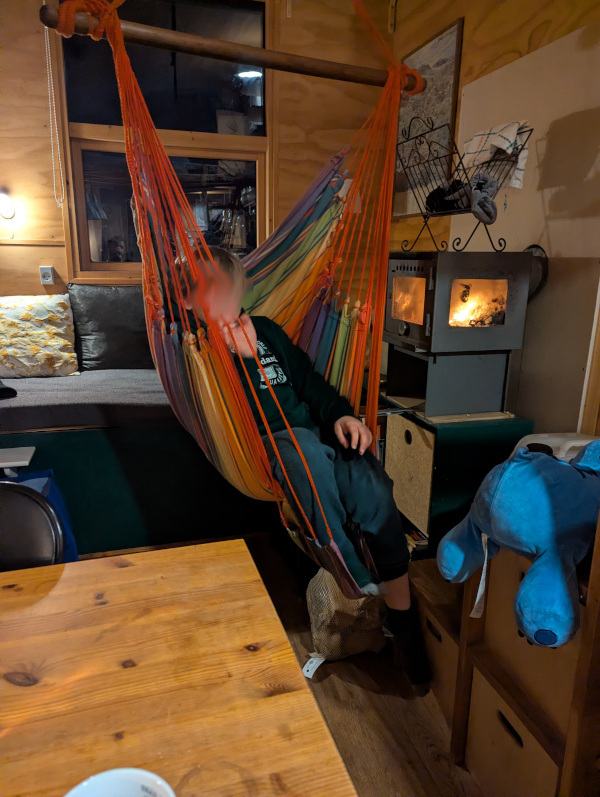
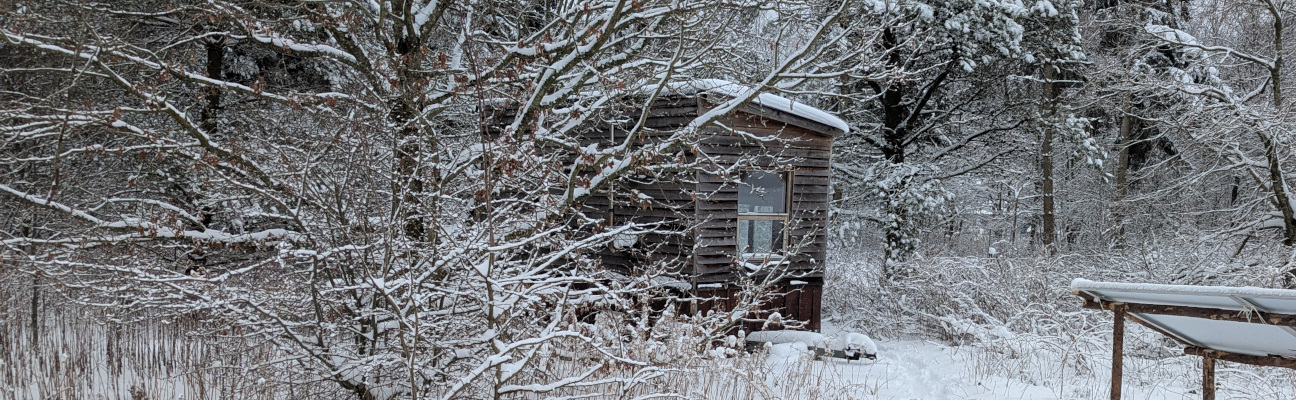
We found a cabin near Kolind on Djursland, hidden in the forest with beautiful natural surroundings. It was very rural and felt far away from civilization. We were surprised by how much snow had fallen the day before. We were almost buried in it, and our car got stuck in the driveway, making it impossible to leave. But since we had already arrived, we decided to stay the night and deal with the situation the next day. I informed the owner that we might risk staying a little longer because the car was stuck.
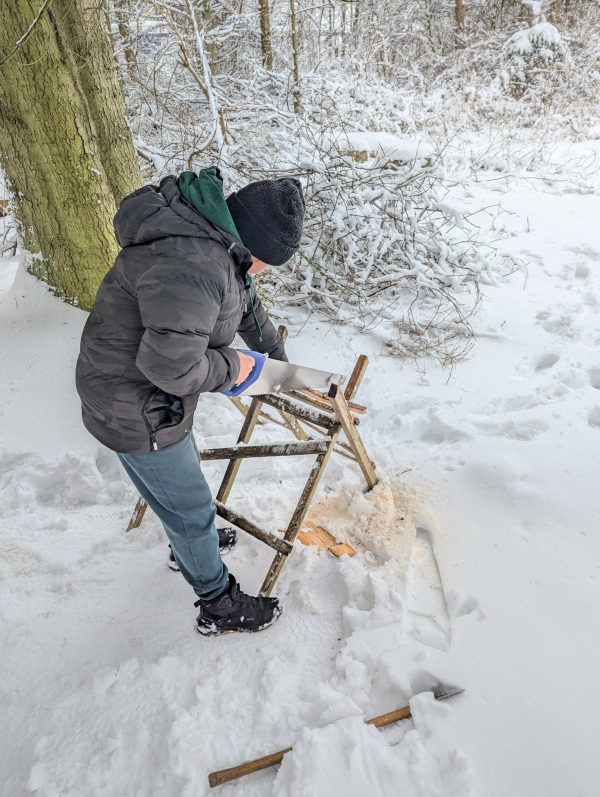
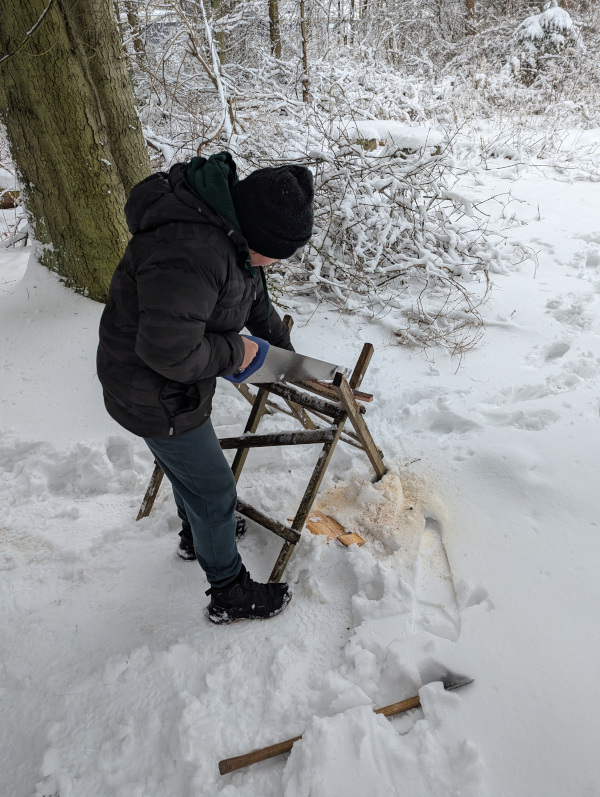
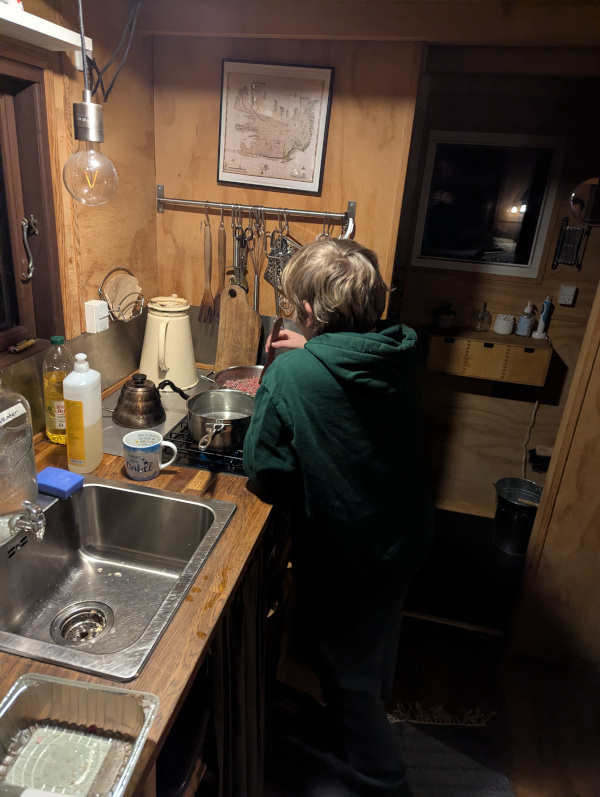
From that point, it became “survival” in the best sense. The self-supplied rainwater system was frozen, so we only had 10 liters of water for 24 hours — for cooking, washing dishes, and washing our hands. Surprisingly, it worked out fine. We also had some firewood available, and we cut and prepared additional wood ourselves to stay warm.
What I want to share with this story — and perhaps offer as inspiration to other developers — is that it’s sometimes essential to completely unplug. To give your brain the space it needs to recover so it can handle new tasks and challenges. If you don’t give your brain room to breathe, it won’t perform at its best.
You’ll rarely find better quality time with your child than going off-grid together. But remember: no digital devices on the trip. Make that agreement with your child beforehand — no iPads during that time.
And if you’re still hesitating, let me say this: I would guarantee that you and your child — or children — will have one of the best experiences of your lives. Not because it’s luxurious or comfortable, but because it’s real. Because you are present. Because you solve small challenges together. And because the memories you create in that simplicity will stay with you far longer than anything digital ever could.